Aspergillosis is a noncontagious, opportunistic fungal (mycotic) infection caused by
Aspergillus spores. The disease is common in chickens and other captive birds. Birds are particularly susceptible due to their unique respiratory system.
A. fumigatus is the most common causative species, followed by
A. flavus.
Aspergillus spores are ubiquitous in the environment, and grow anywhere there is organic matter and moisture, especially in warm, humid weather.
Aspergillosis can occur in either an acute or chronic form:
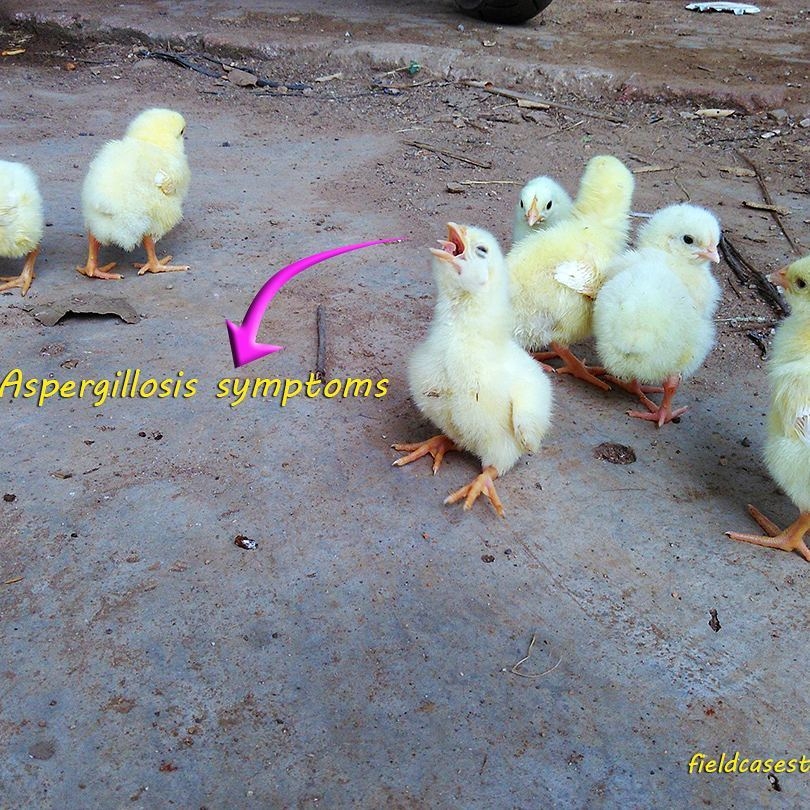
- Acute form (brooder pneumonia): Most often seen in young chicks after exposure to high concentrations of fungal spores.
- Chronic form: Typically affects adult chickens, especially those with weakened immune systems.
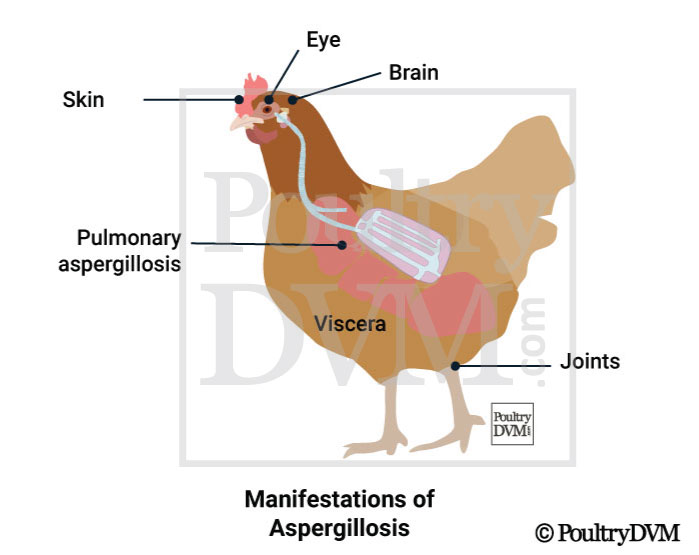
In addition to these forms, aspergillosis can present in different ways depending on which organs are involved. The most common type in chickens is pulmonary aspergillosis, which affects the respiratory system. Less common forms may involve the eyes (ophthalmitis), brain (encephalitis), skin (dermatitis), joints (osteomycosis), or multiple organs (systemic infection).
Transmission
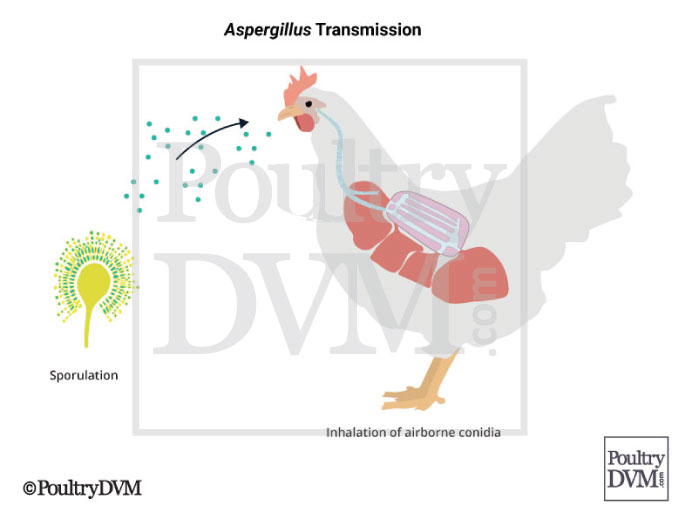
Chickens become infected by inhaling
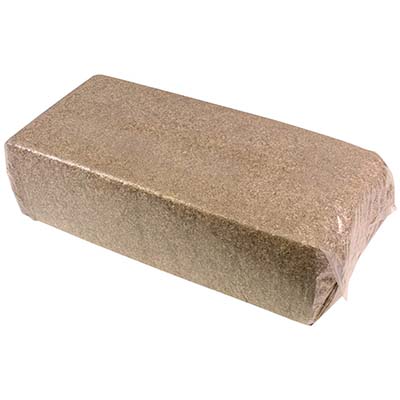
Aspergillus spores from their environment. These spores are commonly found in dust, especially when moldy bedding, hay, or feed is disturbed.
In some cases, spores may remain dormant in the lungs or air sacs and only cause disease later, often triggered by stress, illness, or a weakened immune system.
Diagnosis
Early diagnosis can be challenging, as clinical signs often do not appear until the disease is advanced. A combination of tests is typically required, including blood work, fungal cultures, imaging, and tissue evaluation.
- Blood work: May show elevated liver enzymes, increased uric acid, electrolyte imbalances, low albumin-to-globulin ratio, and high white blood cell counts. Repeated blood work can be used to evaluate disease progression and treatment success.
- Radiographs: Can reveal cloudiness in the lungs or air sacs or granulomas once the disease has advanced.
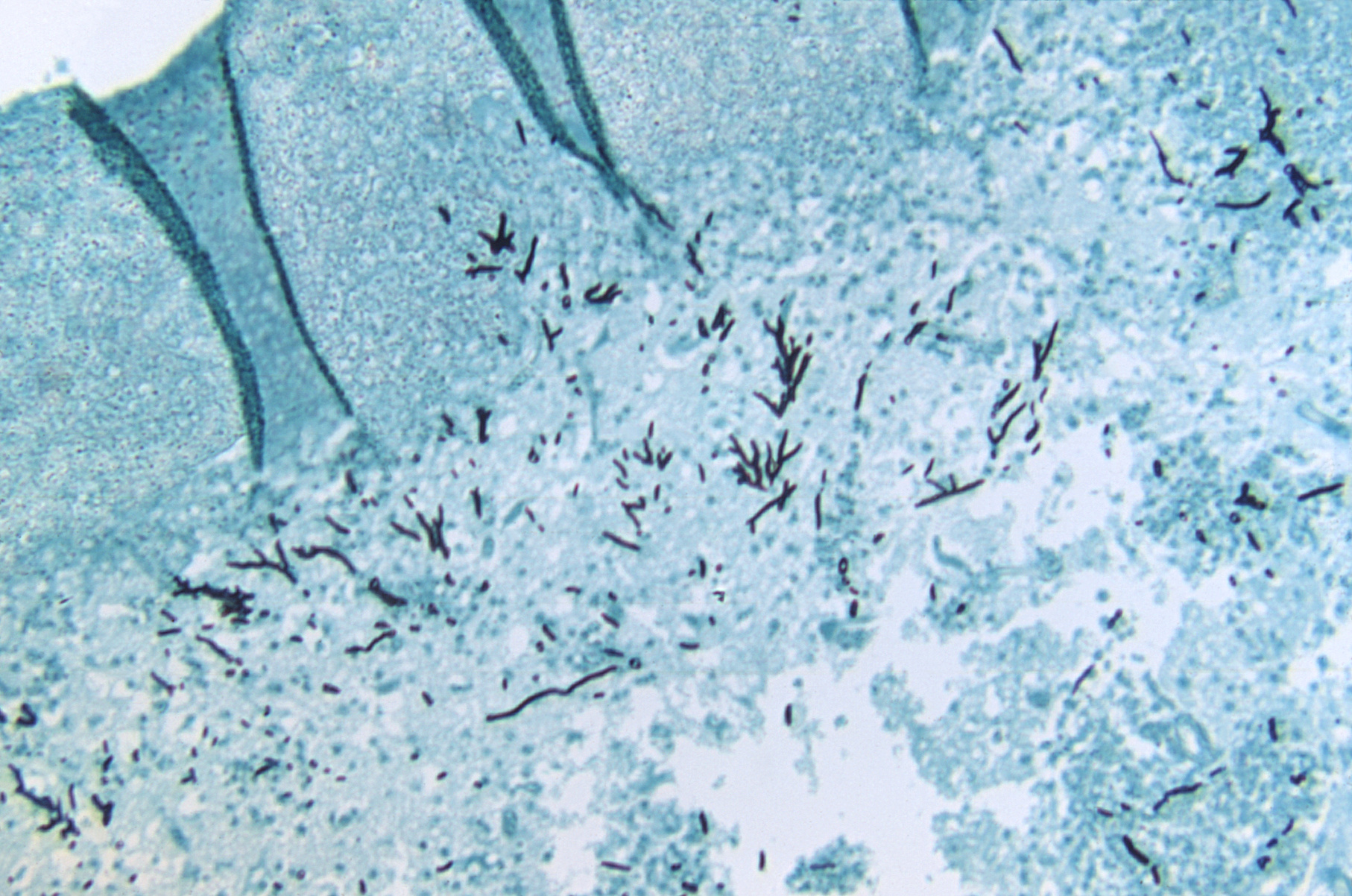
- Cytology and fungal culture: Samples from the respiratory tract may identify fungal structures.
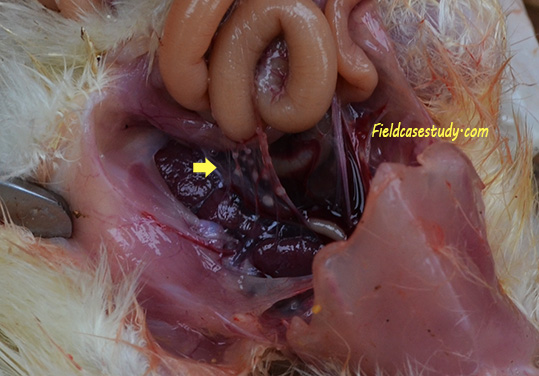
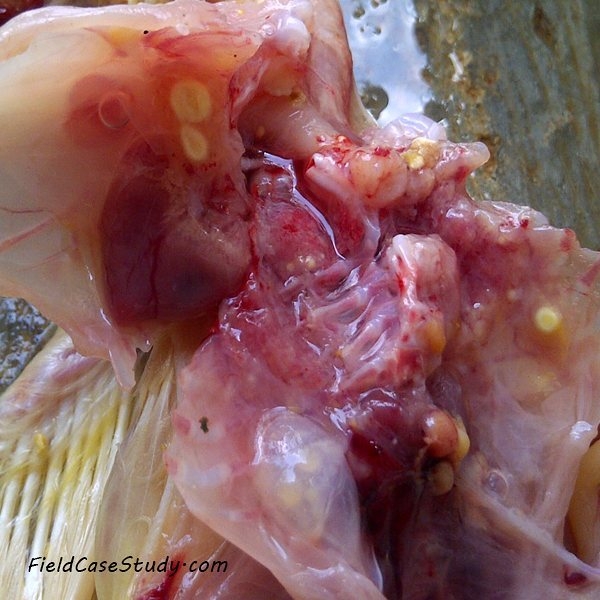
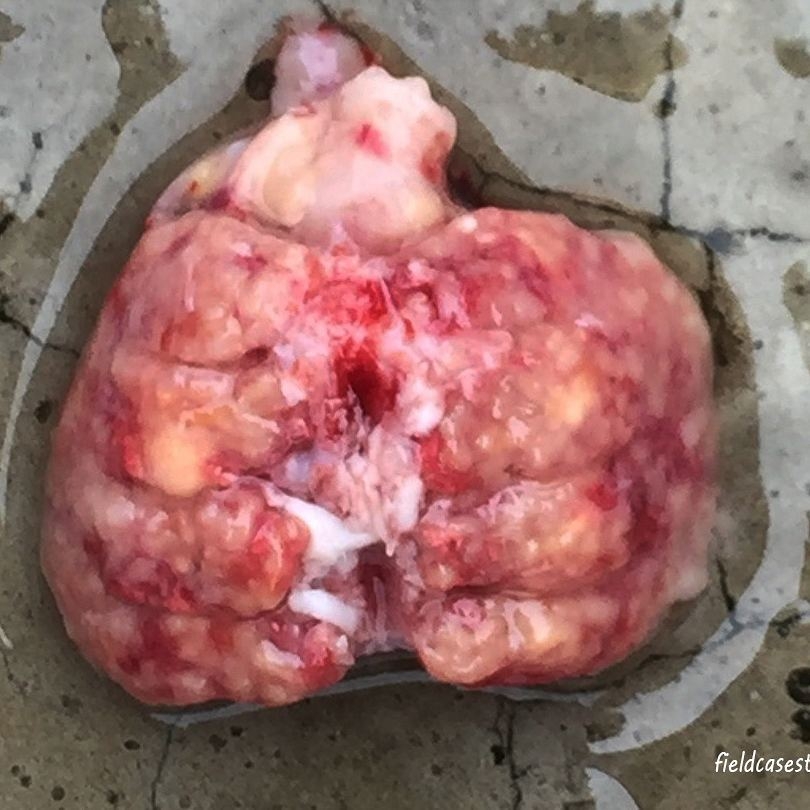
- Necropsy: Often reveals white or yellow plaques, nodules, or mold-like lesions in the lungs and air sacs.
Clinical Signs of Aspergillosis in Chickens
Signs vary depending on disease severity and organs affected but may include:
- Difficulty breathing, rapid breathing, or tail bobbing.
- Reduced appetite and weight loss.
- Lethargy and depression.
- Changes in vocalization or reduced crowing in roosters.
- Increased thirst.
- Nasal or eye discharge, cloudy eyes, or swelling around the eyes.
- Neurological signs such as torticollis ("wry neck").
- Green urates in droppings.
Treatment
Treatment is often difficult and prolonged, typically lasting several months. It involves antifungal medications, environmental management, and supportive care.
- Environmental changes: Eliminate mold sources and improve air quality.
- Antifungal medications: May include itraconazole, amphotericin B, voriconazole, fluconazole, ketoconazole, or terbinafine.
- Topical or nebulized therapy: Antifungal agents may be applied directly or administered via nebulization.