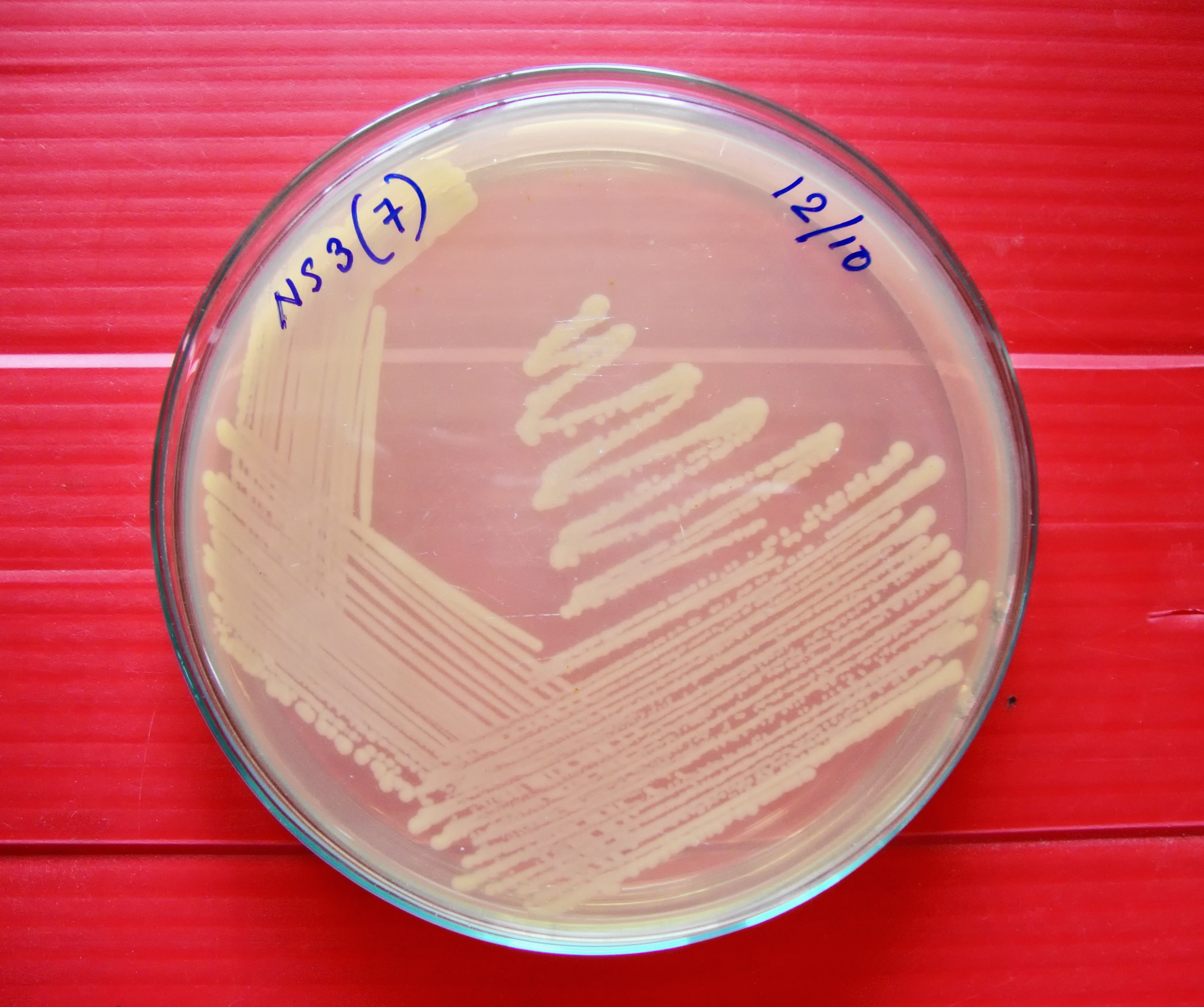
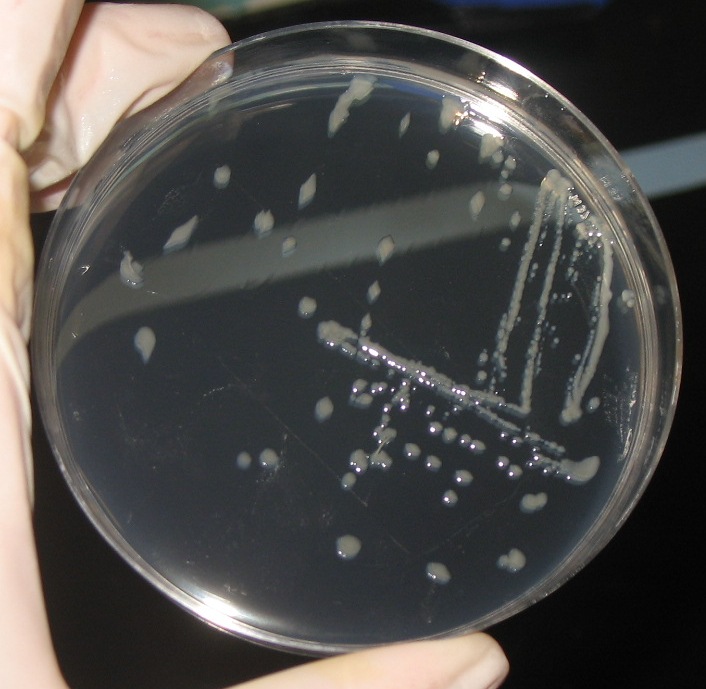
Escherichia coli
Escherichia coli (E. coli) is a gram-negative, facultative anaerobic, rod-shaped bacterium that exists as a normal flora in the intestinal tract of animals and humans. Most strains of E. coli are harmless, but some are pathogenic and can cause numerous intestinal or extraintestinal infections. These are referred to as avian pathogenic E. coli (APEC) in poultry. Colibacillosis is the collective term used to describe any localized or systemic infection caused partly or entirely by avian pathogenic Escherichia coli (APEC).
E. coli are commonly found in fecal matter and lower intestinal tract of warm-blooded organisms. Shedding of E. coli in feces makes it abundantly available in the environment. It can be found in water, soil, contaminated food material, and surfaces. Rodents are often carriers of APEC, and serve as a source of contamination to flocks.
APEC strains are often resistant to many antibiotics, including chloramphenicol, sulfonamides, aminoglycosides, tetracyclines, and beta-lactam antibiotics.
References
- Bhattarai, Rebanta K., et al. Antimicrobial resistance of avian pathogenic Escherichia coli isolated from broiler, layer, and breeder chickens Veterinary world 17.2 (2024)
- Das, Tridip, et al.. High prevalence of ciprofloxacin resistance in Escherichia coli isolated from chickens, humans and the environment: An emerging one health issue. PLoS One 18.11 (2023)
- Saeed, Muhammad Adnan, et al. Cross-sectional study for detection and risk factor analysis of ESBL-producing avian pathogenic Escherichia coli associated with backyard chickens in Pakistan Antibiotics 12.5 (2023)
- Karunarathna, Ruwani, et al. Exposure of embryonating eggs to Enterococcus faecalis and Escherichia coli potentiates E. coli pathogenicity and increases mortality of neonatal chickens. Poultry science 101.8 (2022)
- . Escherichia Virulence factor database (VFDB) (2019)
- Saif, Y. M. Diseases of poultry. John Wiley & Sons (2009)