Atherosclerosis is the buildup of plaque (fatty deposits) within the arteries. This plaque is composed of cholesterol, fats, cellular waste products, calcium, and fibrin. As it accumulates, the artery walls thicken and the inner passageway narrows, restricting blood flow. This reduces the delivery of oxygen-rich blood to the tissues and vital organs of the chicken’s body.
In birds, the most commonly affected area is the aorta at the base of the heart. Other important sites include the brachiocephalic trunk, pulmonary artery, dorsal aorta, heart valves, and mural arteries. Lesions tend to be most pronounced at or just before arterial branch points. Atherosclerosis can lead to serious complications, including ischemic stroke and congestive heart failure.
Risk factors for atherosclerosis in chickens include:
- Poor Diet: Diets high in cholesterol, high in saturated fats, low in polyunsaturated fatty acids (PUFAs), or enriched with certain fats like linoleic acid.
- Viral causes: Infection with Marek's disease virus can produce atherosclerosis-like lesions in the arteries.
Clinical Clinical signs of atherosclerosis in chickens
Symptoms often do not appear until the arteries are significantly narrowed and oxygen supply is compromised. Signs can vary depending on which arteries are affected and may appear intermittently, especially during times of physical or emotional stress when oxygen demand increases.
- Exercise intolerance: The chicken tires easily, may pant heavily, and can develop a darkened face or comb that returns to normal after resting.
- Behavioral changes: Chickens may act out of character—roosters may become more aggressive, while others may become withdrawn or less social.
- Reduced activity: A noticeable decrease in activity level, with increased lethargy.
- Weight loss: Loss of appetite which results in weight loss.
- Ascites: Enlargement of the abdomen due to fluid accumulation.
Unless you closely monitor each bird, the first sign of atherosclerosis may unfortunately be sudden, unexplained death.
Treatment of atherosclerosis
Atherosclerosis treatment consists of diet modification and improving peripheral perfusion.
- Peripheral vasodilators: Isoxsuprine, angiotensin-converting enzyme (ACE) inhibitors (enalapril and benazepril).
- Pentoxifylline: May help improve peripheral perfusion.
- Statins: For lowering plasma total cholesterol concentrations.
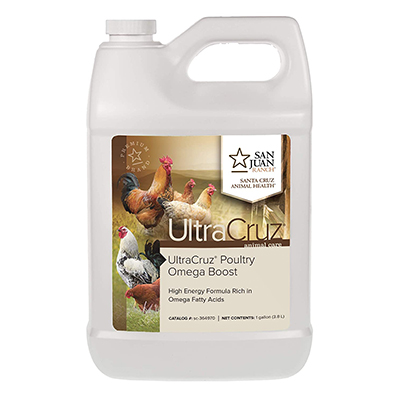
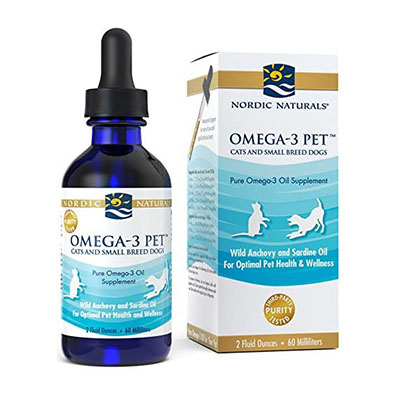
- Omega-3 fatty acids: May help improve lipid metabolism, reduce inflammation and reduce the risk of atherosclerosis.