Coccidiosis is the clinical illness caused by infection with the protozoan parasite genus
Eimeria (coccidia). The nine coccidia which infect chickens are
E. acervulina, E. brunetti, E. hagani, E. maxima, E. mitis, E. mivati, E. necatrix, E. praecox and
E. tenella. Most of these parasites invade the chicken’s intestinal tract, but some invade other organs, such as the liver and kidney.
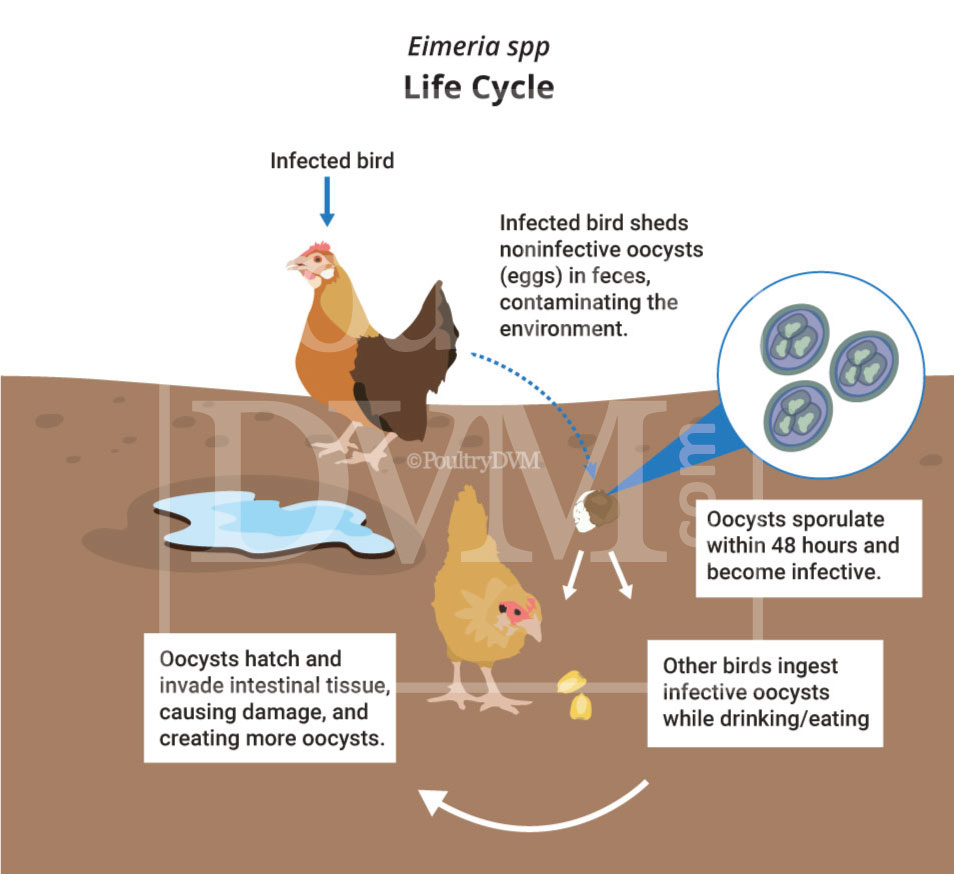
Chickens become infected by ingesting sporulated oocysts (coccidia "eggs") from the surrounding environment.
When chickens are exposed to
Eimeria early on, as long as there are not excessive levels present in the environment, they will usually develop a natural immunity, without any treatment necessary. However, if their immune system is lowered due to infection with another disease, stress, or exposure to a new species of
Eimeria, they may develop coccidiosis.
Large numbers of
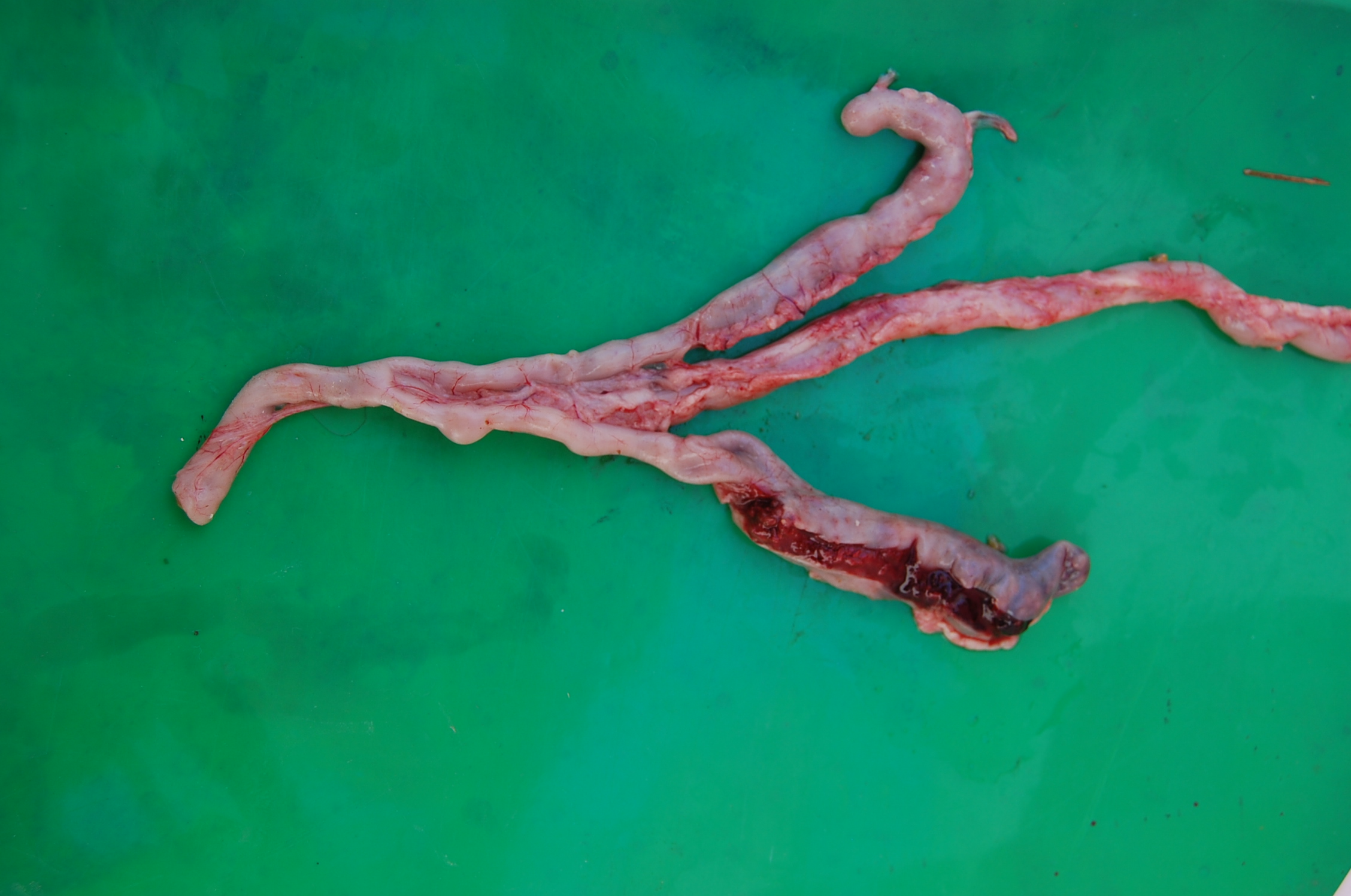
Eimeria cause damage to the bird's intestinal lining, resulting in leakage of proteins, including plasma into the bowel. This causes a disruption of digestive processes or nutrient absorption, dehydration, anemia, and increased susceptibility to other disease agents.
Clinical Signs
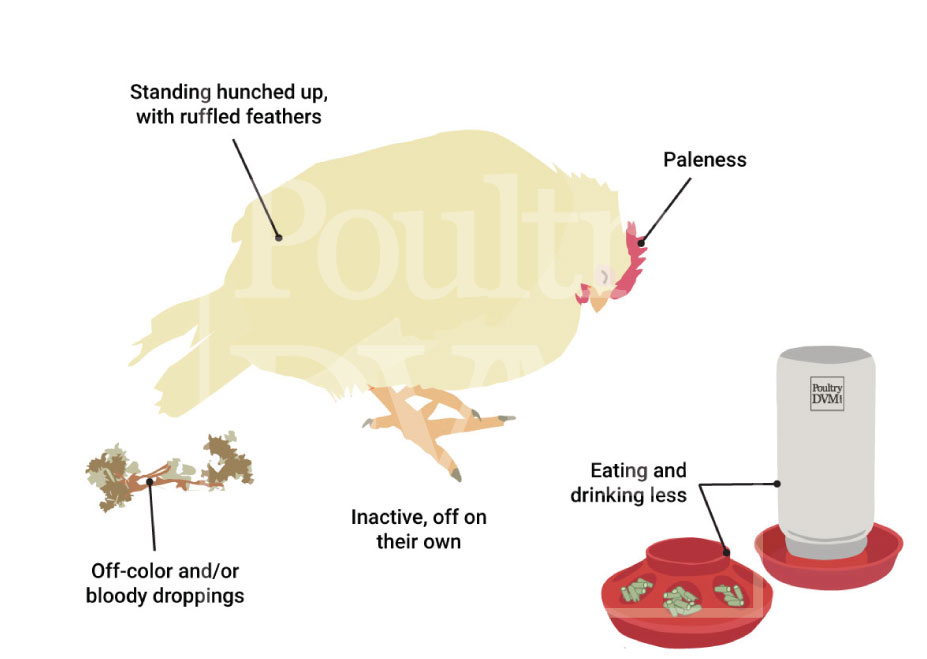
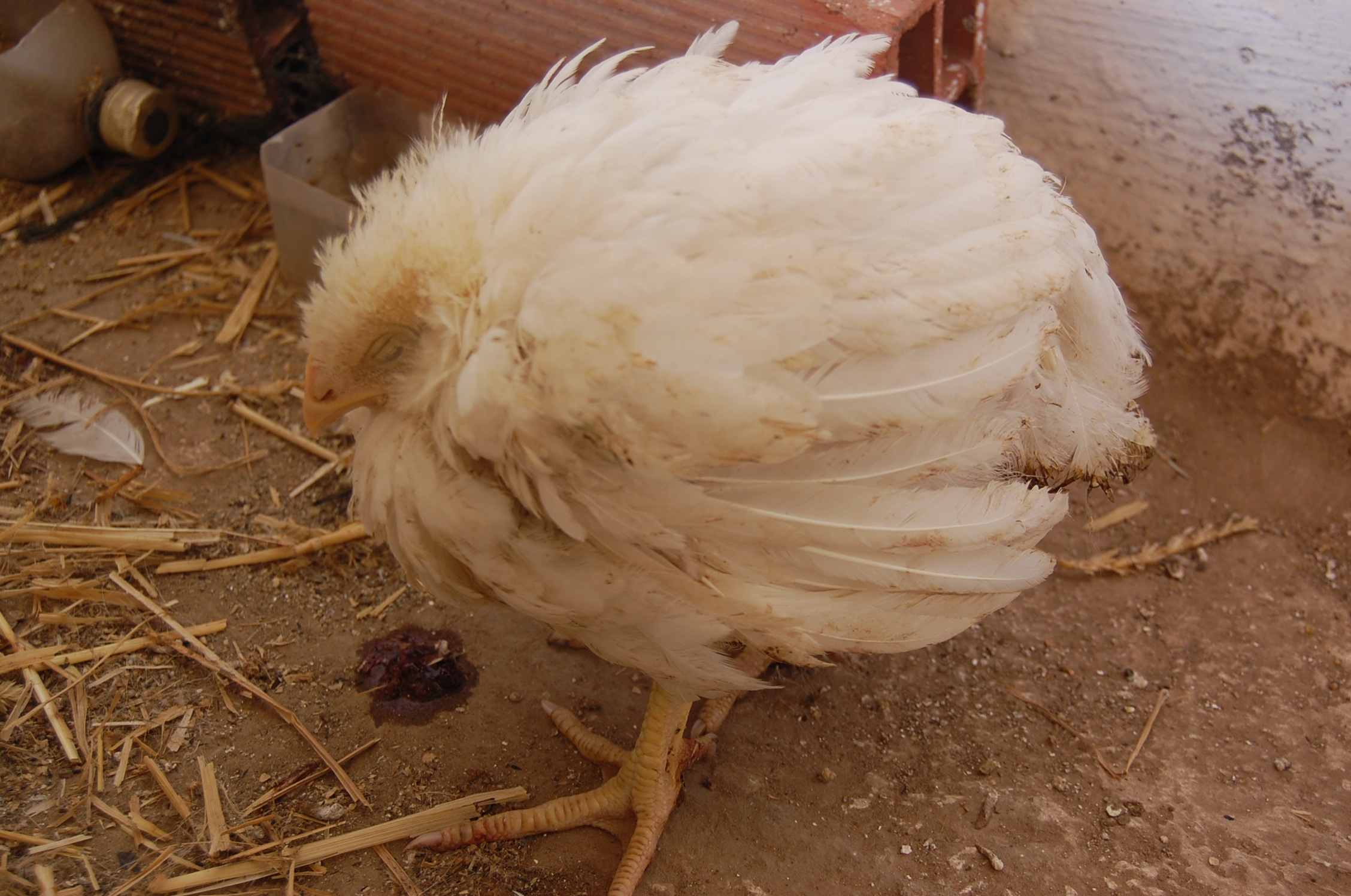
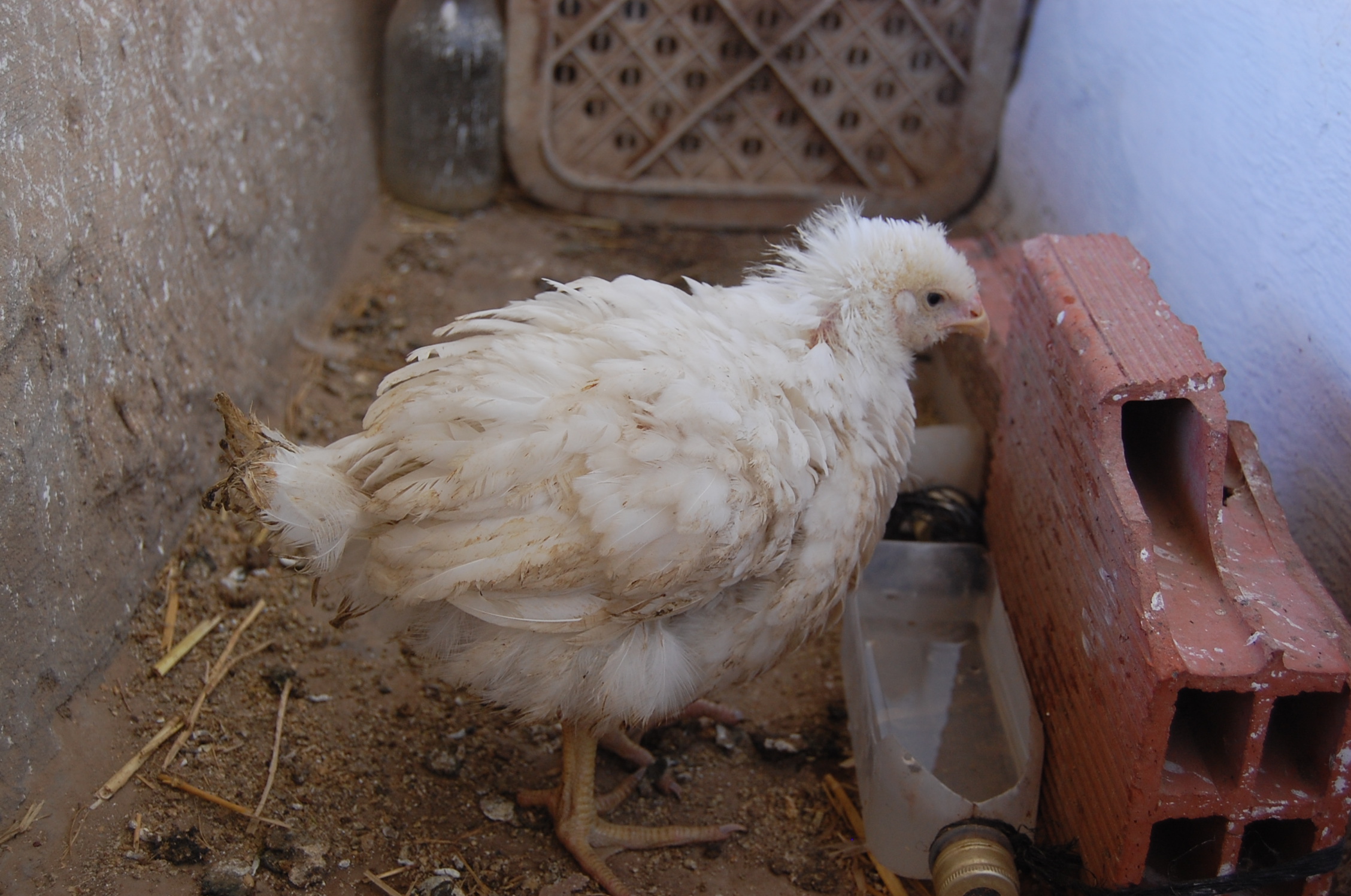
One of the first signs of coccidiosis is reduced feed and water consumption, resulting in slower growth. The bird will be less active and often goes off on their own and appears hunched up with ruffled feathers. Other signs include a change in the appearance of their droppings, which may be runny and an off-color, or tinged with blood.
Diagnosis
Coccidiosis is diagnosed in chickens through a fecal test on the chicken's droppings.
Eimeria eggs can be identified in the feces under a microscope. A Complete Blood Count (CBC) may show decreased red blood cell and total protein level counts in affected birds.
Treatment
Treatment of coccidiosis involves several important components:
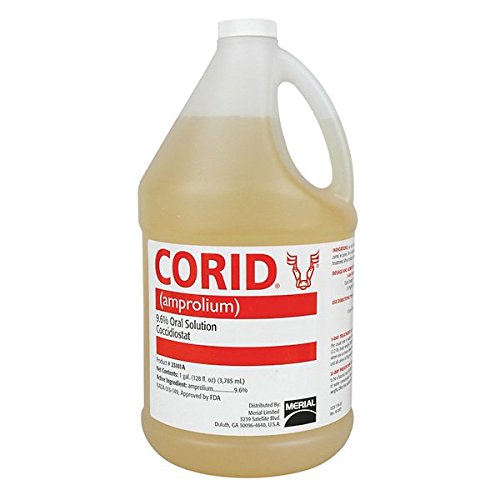
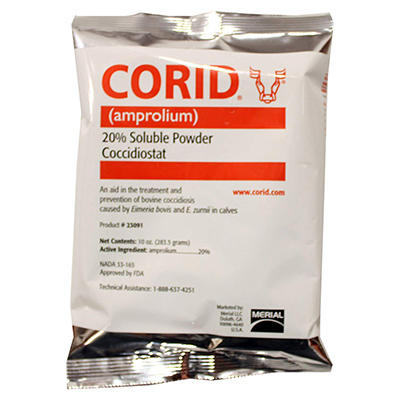
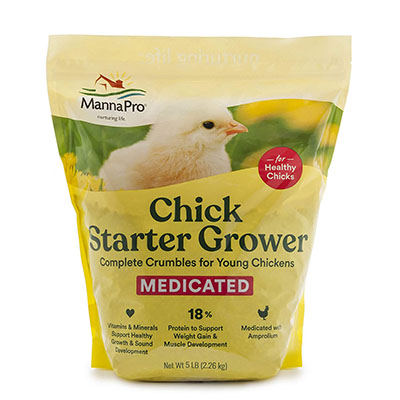
- Anticoccidial agents. It is initially important to control the coccidia with an anticoccidial agent such as amprolium or toltrazuril, in accordance with the manufacturer's recommendations.
- Antibiotics: It is important to control secondary bacterial growth by concurrently administering antimicrobials such as tylosin or amoxicillin. When coccidiosis damages the intestinal wall, it leaves the bird more at risk of developing secondary infections, such as necrotic enteritis.
- Supportive care: It is very important to keep the bird hydrated and comfortable.
- Environmental/Management Changes. Slow down oocyst sporulation within the environment where birds live by regularly cleaning the area where chickens live, by removal of the feces and soiled bedding, ensuring it is kept dry (perhaps install better drainage or roof to prevent rain), and/or rotate birds to different areas often. Do not overcrowd birds.
There has been an increased emergence of drug-resistant strains of
Eimeria, especially after prolonged uses of the drug. Therefore, it is important to conduct a follow up fecal test following treatment, to evaluate whether the drug was effective against the particular strains of
Eimeria present.