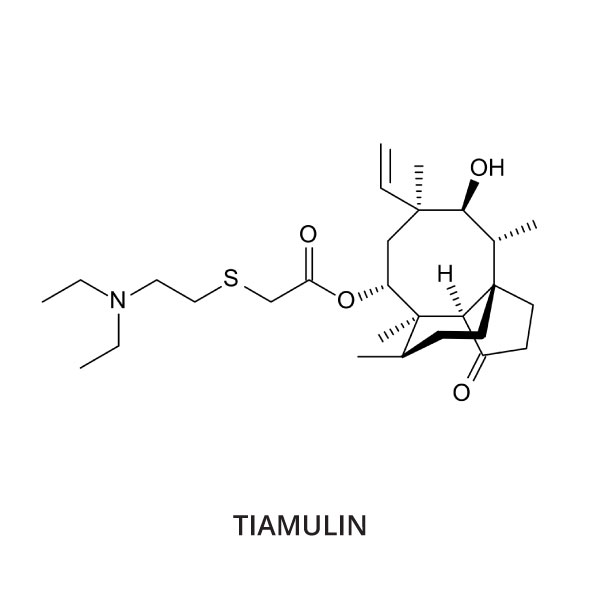
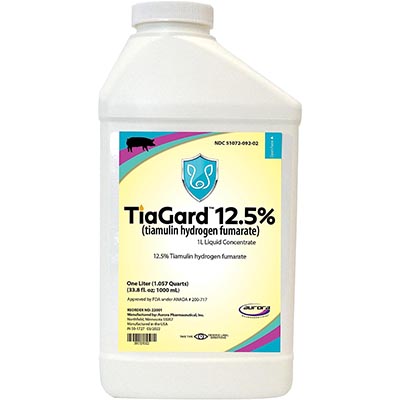
Tiamulin is a semi-synthetic derivative of the diterpene antibiotic pleuromutilin. IIt is primarily used in poultry to treat respiratory infections caused by
Mycoplasma and
avian intestinal spirochetosis caused by
Brachyspira.
In addition to these pathogens, tiamulin has demonstrated activity against several Gram-negative bacteria, including
Pasteurella spp., Klebsiella pneumoniae, Actinobacillus spp., Fusobacterium necrophorum, Bacteroides spp., Campylobacter coli, and
Ornithobacterium rhinotracheale, as well as Gram-positive bacteria such as
Staphylococcus spp., Streptococcus spp., and
Arcanobacterium pyogenes.
Tiamulin is commercially available as a 12.5% solution for inclusion in drinking water, and as a medicated feed premix commonly available in 2%, 10%, and 80% concentrations.
Administration Through Drinking Water
When administering tiamulin to an entire flock through drinking water, the amount of product required depends on several factors, including:
- The prescribed dosage
- Product concentration (commonly 12.5%, but always verify the label)
- Total volume of the water source
- Combined body weight of the flock
- Number of birds
- Estimated daily water consumption
Water intake varies according to body size, diet, egg production status, environmental temperature and humidity, and overall health. Adult chickens typically consume between 0.2 and 1 liter of water per day, although consumption may double during periods of heat stress.
Fresh medicated water should be prepared daily and provided as the flock's sole water source during treatment. Because tiamulin has a bitter taste, adding a small amount of apple juice may improve palatability and encourage water consumption.
Individual bird dosing
Tiamulin may also be administered individually using an oral syringe. This approach can be beneficial when:
- There is significant variation in bird size within the flock in which accurate dosing is difficult to achieve
- Birds are severely ill and drinking insufficient amounts of water
The prescribed dose should always be appropriately diluted with water before administration.
Important Warnings
Do not administer tiamulin concurrently with ionophore anticoccidial drugs such as:
- Monensin
- Narasin
- Salinomycin
These compounds are commonly found in medicated poultry feeds. Combining tiamulin with ionophores can result in severe toxicity and may be fatal. Clinical signs may include weakness, flaccid paralysis, lethargy, and sternal recumbency with the neck and legs extended.
Tiamulin should also not be used simultaneously with:
- Macrolide antibiotics
- Lincosamide antibiotics
- Beta-lactam antibiotics (penicillins, cephalosporins)
Some birds may experience allergic reactions to tiamulin. Signs can include swelling, itching, and respiratory distress. Birds should be monitored closely throughout treatment.
Withdrawal period
Tiamulin is rapidly absorbed following oral administration and is metabolized in the liver. Several European Union countries have established a zero-day withdrawal period for eggs.
Storage
Store tiamulin in a cool, dry location at a consistent temperature between 15°C (59°F) and 25°C (77°F). Exposure to heat, humidity, temperature fluctuations, or direct sunlight may reduce product potency. Packaging should remain tightly sealed and intact to prevent moisture contamination.
Disclaimer: This information is provided for educational purposes only. Poultry caregivers are responsible for consulting product labels, veterinary guidance, and applicable regulations before use.