Brand Names:
Ivomec, Imectin, Ivermec, Ivergot


Drug Type: Antiparasitic, Anthelmintic

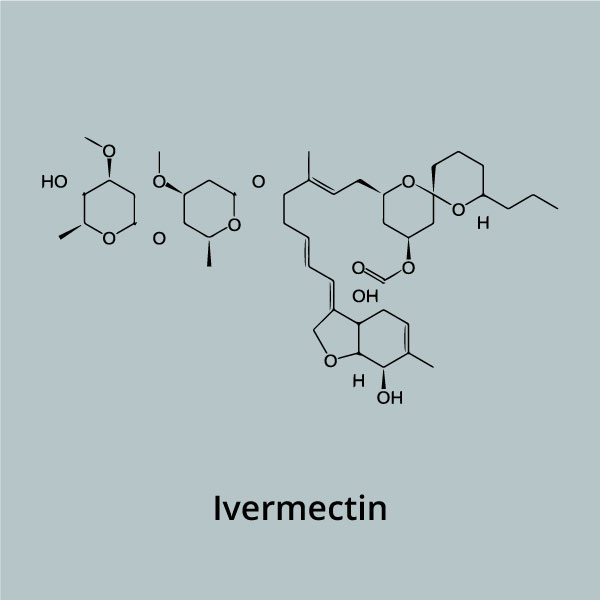
Ivermectin

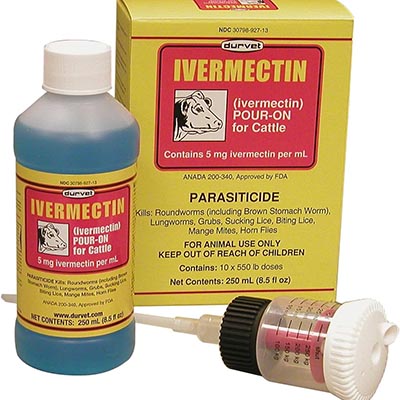
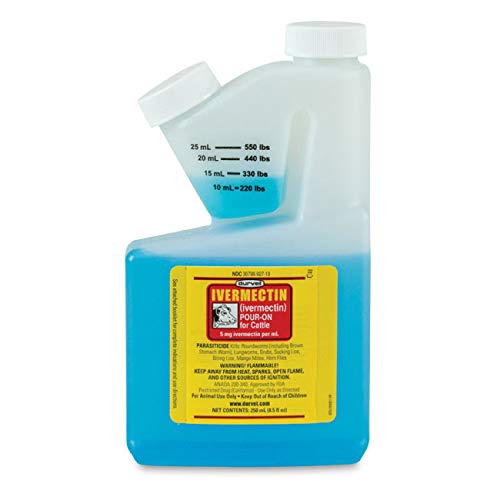
Ivermectin is a macrocyclic lactone anthelmintic used to treat a variety of internal and external parasites commonly found in pet poultry. Ivermectin is sold as a drench, injectable, or pour-on solution sold for use in cattle, goats, swine or horses. It is used off label in pet poultry, and given to each bird orally (PO), topically, IM, or added to the flock’s water source.

Ivermectin is effective against the following parasites:
  • Most species of adult roundworms, including Ascaridia galli (large roundworm), Heterakis gallinarum (cecal worm), Syngamus trachea (gapeworm), and Oxyspirura mansoni (manson eyeworm). It has variable effectiveness against Capillaria (threadworms) at the dosage that can be safely administered.
  • Some species of mites, including Cytodites nudus (airsac mites), Laminosioptes cisticola (fowl cyst mites), Knemidocoptes mutans (scaly leg mites), and Micnemidocoptes derooi. It has mixed effectiveness with management of Ornithonyssus spp (fowl mites).
Ivermectin, like other macrocyclic lactones, binds to glutamate-gated chloride ion channels in invertebrate nerve and muscle cells. The cell membranes then develop an increased permeability to chloride ions causing hyperpolarization of affected cells and subsequent paralysis and death of the parasite.

Caution
Dosages over 5 mg/kg of body weight of the bird are toxic to pet poultry. Ivermectin is not effective on tapeworms.

Egg Withdrawal Period
No egg withdrawal period has been established yet for ivermectin however, an egg withdrawal period of 7 days would be recommended, but that is up to the owner, the eggs should not be given away or sold commercially.

Storage: Store at 20°C to 25°C (68°F to 77°F). Protect from light.

Disclaimer: Use at your own risk. We assume no responsibility for the use of the drug, dosages given and for any misstatement, error, negligent, or otherwise.

  • 0.2-0.4 mg/kg (diluted with water or saline for immediate use, propylene glycol for extended use) PO, SC, IM, topical once, repeat in 10-14 days (B Speer 2016)
  • Diarrhea
  • ataxia
  • blindness
  • abdominal swelling
  • Sudden death
  • Clotrimazole: The metabolism of Ivermectin can be decreased when combined with Clotrimazole.
  • Erythromycin: The metabolism of Ivermectin can be decreased when combined with Erythromycin.
  • Doxycycline: The metabolism of Ivermectin can be decreased when combined with Doxycycline.
  • Fluconazole: The metabolism of Ivermectin can be decreased when combined with Fluconazole.
  • Ketoconazole: The metabolism of Ivermectin can be decreased when combined with Ketoconazole.
  • Itraconazole:The metabolism of Ivermectin can be decreased when combined with Itraconazole.
  • Pentobarbital:The metabolism of Ivermectin can be increased when combined with Pentobarbital.
  • St. John s Wort: The serum concentration of Ivermectin can be decreased when it is combined with St. John's Wort.
  • Voriconazole: The metabolism of Ivermectin can be decreased when combined with Voriconazole.