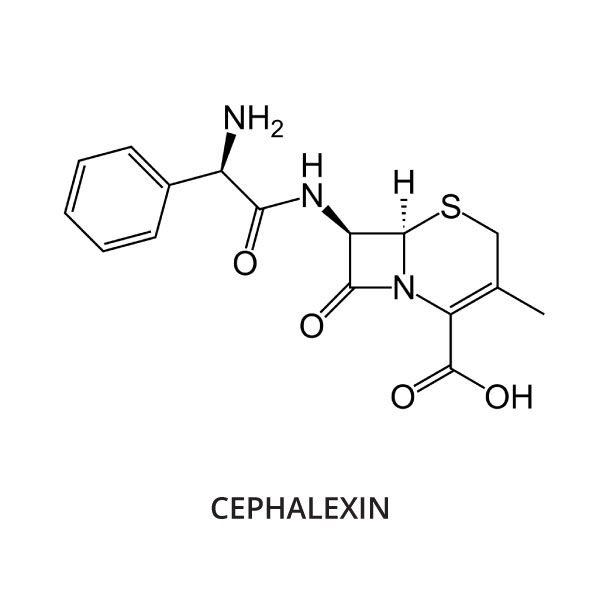
Cephalexin is a first-generation cephalosporin antibiotic. It is often prescribed for serious skin or soft tissue infections, such as
bumblefoot. It is usually effective against most Gram-positive bacteria except it will not work against
Enterococcus spp, Pseudomonas aeruginosa, and methicillin-resistant
Staphylococcus.
Note: Cephalosporins may disturb the normal intestinal microflora of poultry, particularly when administered orally and at high doses.
Egg Withdrawal Period: In the United States, Ireland, and the United Kingdom, cephalexin is approved for use in laying poultry producing eggs intended for human consumption when it's given in accordance with each product manufacturer's label directions; where it has a 0-day egg withdrawal period. This means there is no build up of the medication in their body or the eggs after receiving it.
Storage- Capsules and tablets: store at room temperature.
- Suspension: stable after reconstitution for up to 14 days if refrigerated, ideally between 2° C and 8° C (36° F and 46° F). Keep tightly closed. Shake well before using.
Disclaimer: Use at your own risk. We assume no responsibility for the use of the drug, dosages given and for any misstatement, error, negligent, or otherwise.