Lead poisoning is an increasingly common issue in backyard chickens, particularly in urban environments. It poses serious risks not only to the birds themselves, but also to people who consume eggs from affected hens.
Lead is a dense metal that does not readily break down in the body. Once ingested, it is absorbed through the gastrointestinal tract and stored in the kidneys, liver, and bones. Because lead competes with calcium for absorption, it can interfere with normal calcium metabolism, potentially causing hypocalcemia—especially in laying hens. It also damages red blood cells and blood vessels which can result in anemia, injures and interferes with the function of the central nervous system and peripheral nerves, and damages the kidneys.
Clinical Presentation
Lead poisoning may present in either acute or chronic form, depending on the level and duration of exposure.
- Acute form: Characterized by sudden onset of muscle weakness, decreased appetite, significant weight loss, ataxia (loss of coordination), reduced egg production, and severe anemia.
- Chronic form: Long-term exposure can lead to nerve damage (including demyelination of the vagus nerve), resulting in decreased gastrointestinal motility. Affected chickens may exhibit delayed crop emptying, sour crop, or crop impaction. Greenish diarrhea may also be present, often staining feathers around the vent.
Diagnosis
- Blood lead levels: A blood sample is analyzed by a veterinary diagnostic laboratory. Levels between 20–50 µg/dL indicate significant exposure and may result in unsafe lead levels in eggs, often accompanied by clinical signs. Levels above 50 µg/dL are typically associated with overt toxicity.
- Radiographs (X-rays): Imaging may reveal radiodense (metallic) particles in the digestive tract. However, the absence of visible particles does not rule out lead poisoning.
Treatment
Treatment generally involves four key components: supportive care, chelation therapy, removal of ingested material, and elimination of the environmental source.
- Supportive care: May include fluid therapy, injectable multivitamins, and assisted feeding.
- Chelation therapy: Chelating agents bind circulating lead, allowing it to be excreted through the kidneys. Common agents include calcium disodium EDTA (CaEDTA), D-penicillamine, and dimercaptosuccinic acid (DMSA).
CaEDTA is typically the first-line treatment, especially in birds with reduced gastrointestinal motility. Multiple treatment courses may be required, as lead can redistribute from tissues back into the bloodstream over time. - Removal of the foreign body: Cathartics such as mineral oil, peanut butter, or magnesium sulfate (Epsom salt) may help pass small metal particles. In some cases, endoscopy or flushing of the gastrointestinal tract (guided by fluoroscopy) may be attempted, though success can be limited.
- Environmental management: Identifying and eliminating the source of lead exposure is essential to prevent recurrence.
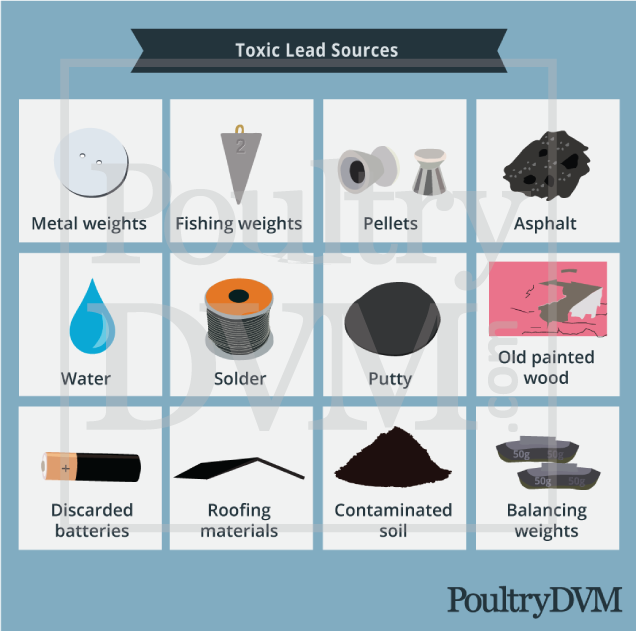
Common Sources of Lead
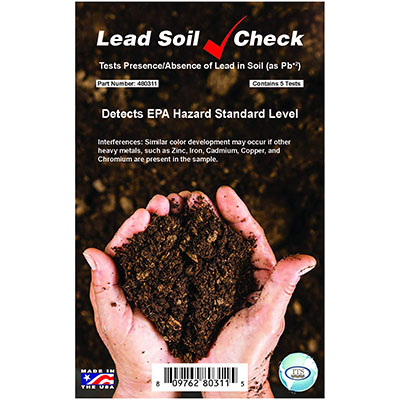
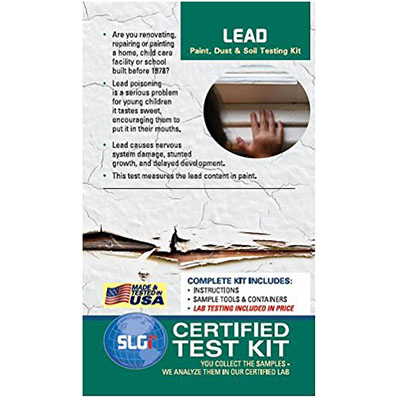
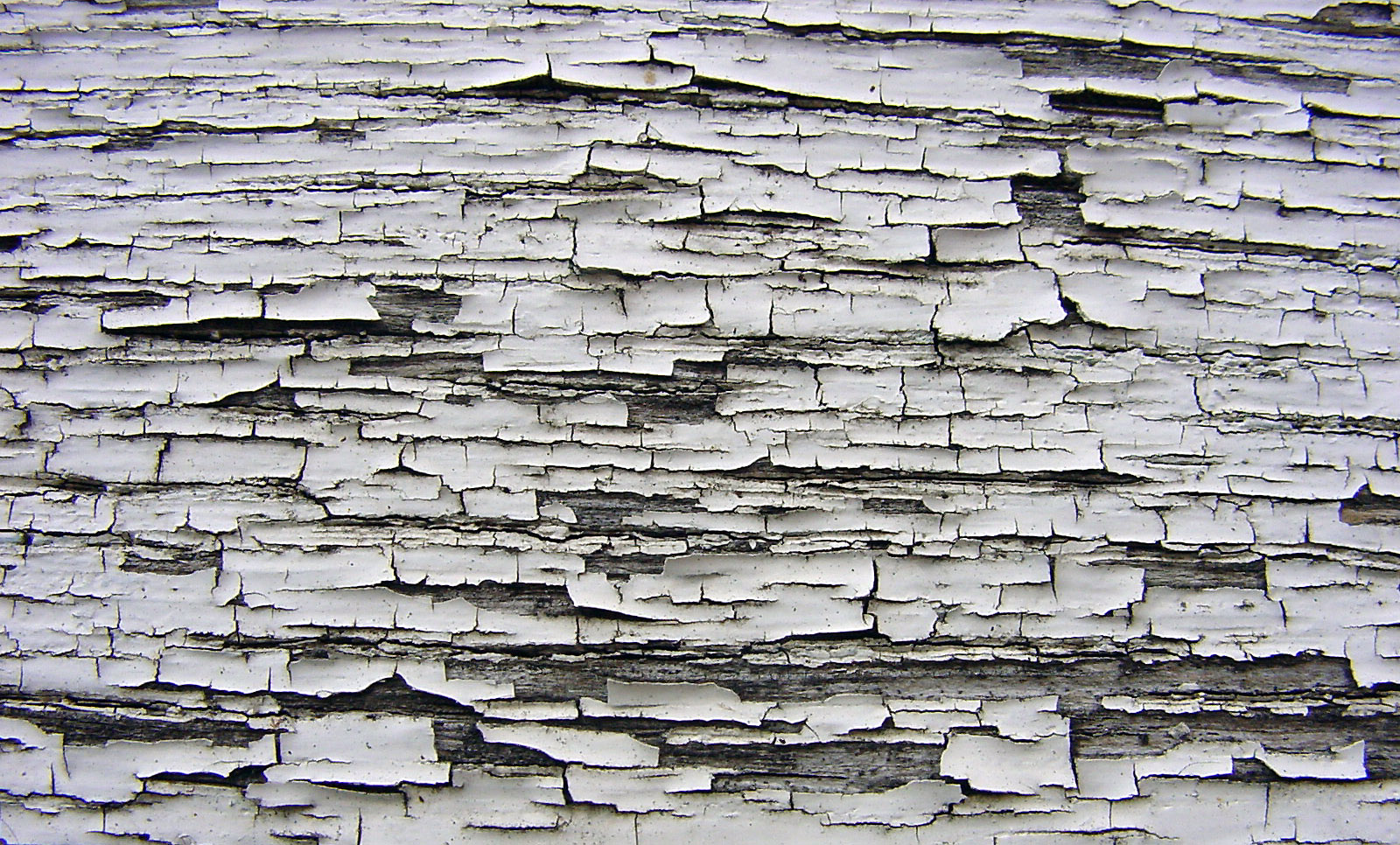
- Contaminated soil: Soil near roads (due to historical use of leaded gasoline), around older painted structures, or areas containing buried waste (e.g., batteries, lead shot, asphalt) may be contaminated. Chickens foraging in these areas can easily ingest lead.
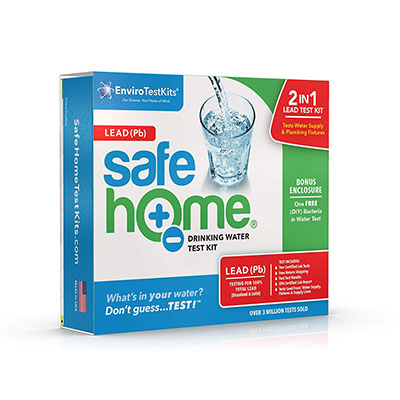
- Contaminated water: Water passing through old lead pipes or fixtures can introduce lead exposure.
- Contaminated food: Food stored in certain ceramic or improperly glazed containers, or imported products sealed with lead, may pose a risk.
- Consumer products: Items such as batteries, curtain weights, stained glass, electronics, ammunition, jewelry, fishing gear, and certain plastics may contain lead.
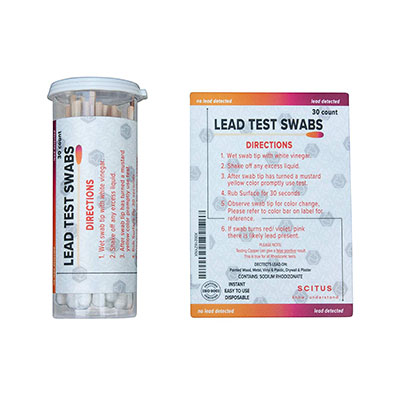
- Building materials: Lead may be present in roofing materials, flashing, gutters, and older construction components.
- Sound dampening materials: Sheet lead is sometimes used in walls, floors, and ceilings for sound insulation.