Veterinary advice should be sought from your local veterinarian before applying any treatment or vaccine. Not sure who to use? Look up veterinarians who specialize in poultry using our directory listing. Find me a Vet

Flystrike (Myiasis)

Other Names: Myiasis, Fly Blown

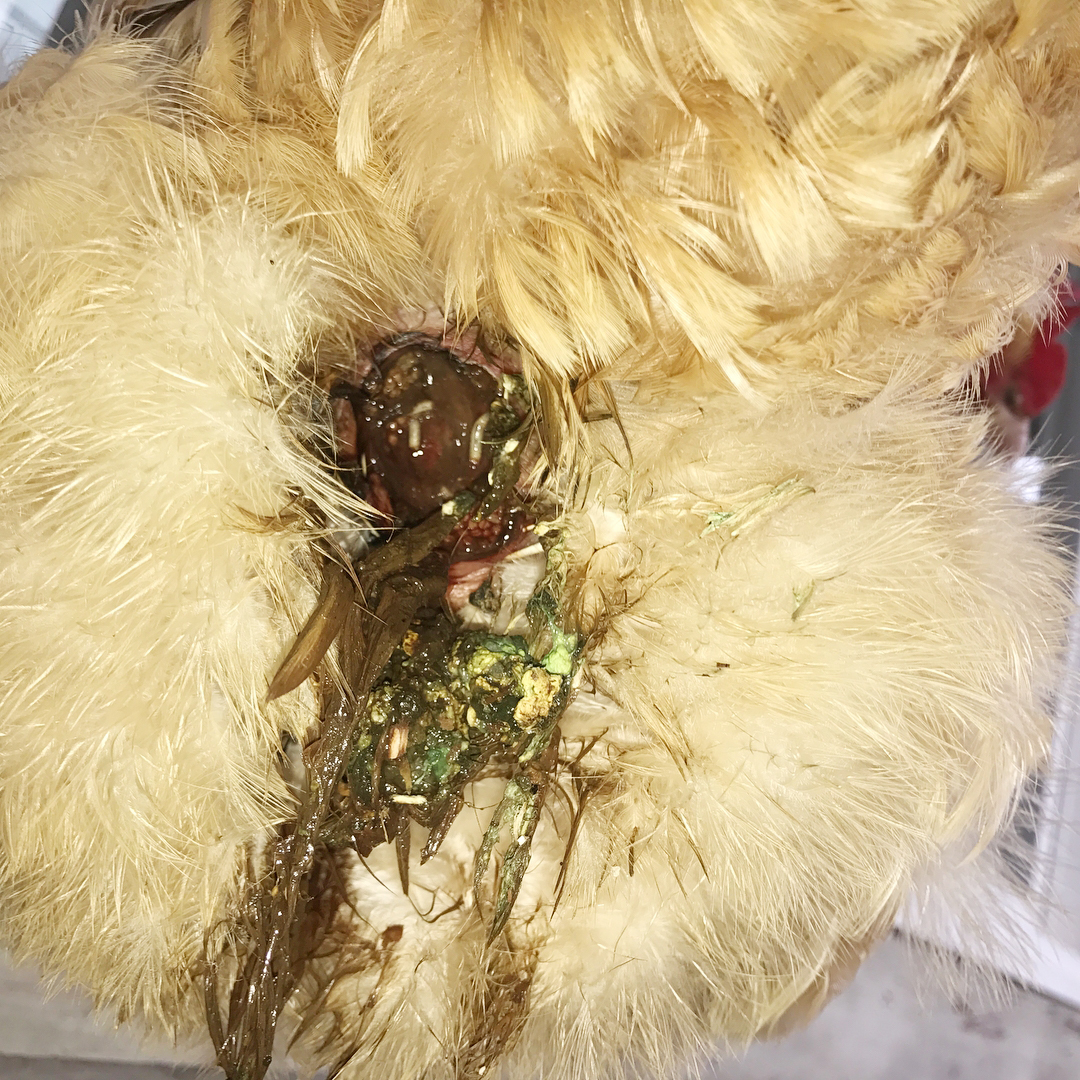
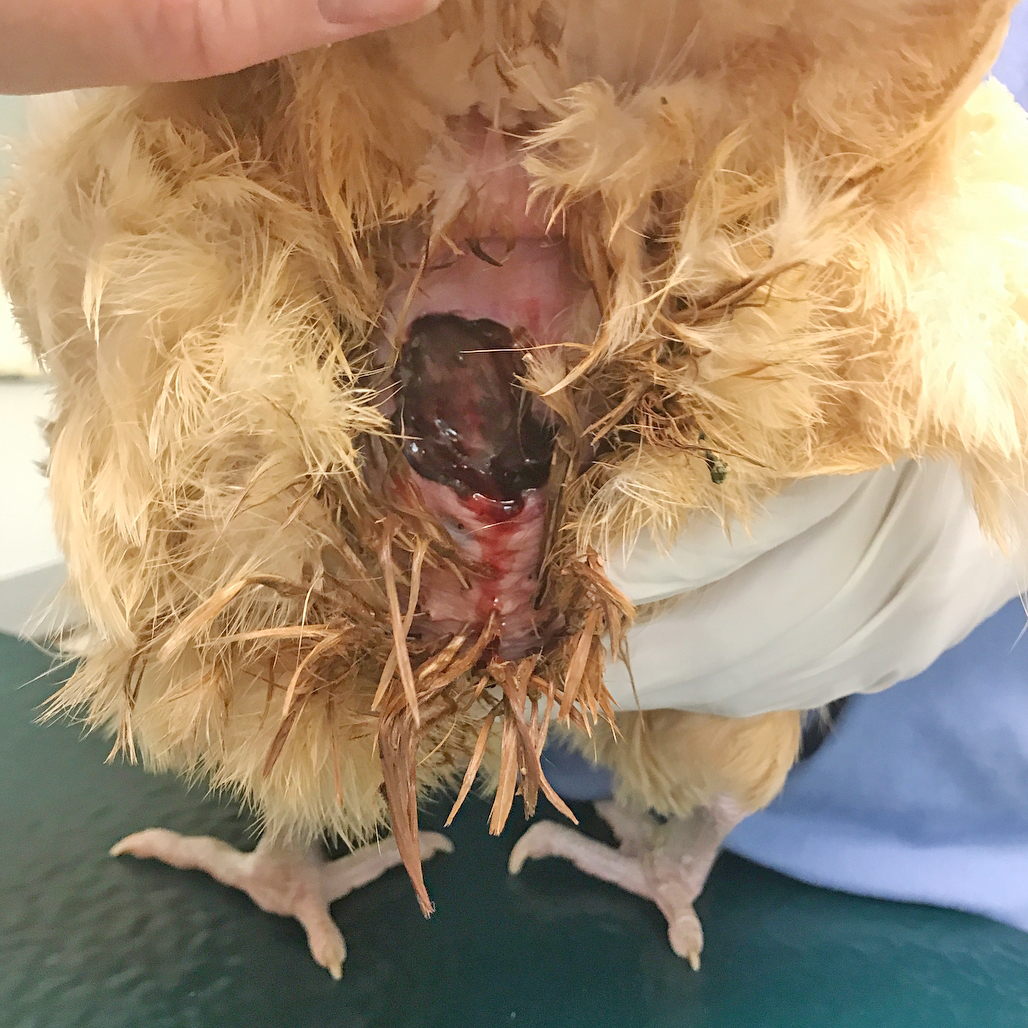
Myiasis, also known as flystrike, is a potentially life threatening, parasitic infection where fly larvae (maggots) hatch from eggs laid on the chicken and feed on living tissue.

The most common location targeted in chickens is the area just below the vent, but infestations can occur anywhere on the body. Wounds and fecal material/urates provide a favorable environment for flies to lay their eggs.

Once eggs are laid, they hatch rapidly and produce hundreds to thousands of larvae. Upon hatching, the maggots immediately begin consuming the chicken’s skin and underlying tissues. This causes severe pain, rapid tissue destruction, and can be fatal if not treated promptly.

Flystrike is most frequently seen in chickens living in tropical and subtropical regions but can occur anywhere with large populations of flies. While many species of flies can cause myiasis, some are more aggressive and lead to faster, more extensive damage.

Flystrike develops quickly and should always be treated as a medical emergency.

Treatment of Flystrike in Chickens


Treatment involves:
  • Maggot removal: Thoroughly cleaning and flushing wounds, including targeted irrigation in pockets or cavities to expose hidden maggots. Surgical debridement may be necessary to remove any dead tissue.
  • Parasitic medication: To kill any remaining maggots.
  • Antibiotics : May be needed to prevent secondary infections.
  • Wound management: Apply silver sulfadiazine cream and keep area clean.
  • Supportive care: In cases of severe infestations, hospitalization and/or fluids and pain medication may be necessary.
  • Address underlying conditions: In cases caused by accumulated droppings on vent feathers, investigations should be made to treat the associated illness or condition.
  • Environmental modification: Efforts should be made to maintain a more sanitary environment and reduce fly populations.

Clinical Signs

Foul odor
Skin wounds that enlarge
Depression
Lack of appetite
Change in behavior

Diagnosis

  • History
  • Clinical signs
  • Physical exam

Reported Cases

  • Case 1: Flystrike (cutaneous myiasis) in a Turkey A case of cutaneous myiasis was reported in a 3.5-month-old turkey. The bird was invaded by a very large number of maggots on their posterior half. The maggots killed the bird and consumed all the flesh within 48 hours. Microscopic examination of the maggots revealed that they belonged to Lucilia sericata (a dipterous fly). Ref

  • Case 2: Flystrike (cutaneous myiasis) in a Owl In October 2008, a wounded owl was referred by the environmental department of Chaharmahal-Bakhtiary province to the clinic of veterinary science at Shahrekord University in west central Iran. During the initial examination, clinical signs were extensive with a wound under the right wing. The wound was infested with 40 white conical maggots, 3-9 mm in length, which led to a diagnosis of myiasis in the owl. The maggots were carefully collected from the wound using sterile forceps and were kept in 70% ethanol and transferred to the laboratory of parasitology where the diagnosis was undertaken by the observation of posterior and anterior spiracle and cephalopharyngeal apparatus. According to key diagnostic features for maggots in birds, the larvae were identified as Lucilia sericata and Lucilia cuprina (Diptera: Calliphoridae). The wound was treated using usual acaricides, but due to the severity of the infestation and because of the delay in referring the animal to the clinic, it died 3 days post-treatment. Ref

  • Case 3: Otomyiasis in a Geese Otomyiasis was diagnosed in the right ear of a 3-month-old goose. 23 of 25 larvae were in the meatus acusticus externus, and 2 larvae were under the skin. The larvae were in the third larval stage of Sarcophaga spp. by microscopic examination. Ref

  • Case 4: Traumatic myiasis in a Chickens A 1.5 year old Rhode Island Red rooster was infested with a large number of maggots of the species Chrysomyia bezziana on and around the vent to keel region. Ref

  • Case 5: Traumatic myiasis in a Geese Myiasis was recorded in 26 flocks of geese. The first cases were observed at the end of May, the last ones in August. Most birds (16/26) were infested in August. Each affected goose had only one lesion, which was located more frequently on the wings (14/26) than on any other body. In seven geese, Wohlfahrtia magnifica (Diptera: Sarcophagidae) was the only myiasis-causing species. In these cases the detransformed mean number of larvae per wound was 18.1 (range 5–40). Lucilia sericata (Diptera: Calliphoridae) was found to be solely responsible for the lesions of 12 birds, with detransformed mean of 94.0 (range 2–893) larvae per goose. The larvae of this species appeared to be generally less invasive than those of W. magnifica, but in three cases they were also deeply embedded in the wounds. In seven geese larvae of both fly species developed together in and around the wounds. With the exception of one lesion, there were more larvae of W. magnifica (detransformed mean of 21.8 with a range of 1–55) than that of L. sericata (detransformed mean of 11.2 with a range of 2–61) in these mixed infections. Predisposing conditions for development of traumatic myiasis in geese included plucking of feathers, other injuries and bacterial infections (e.g. inflammation of the phallus). Ref

  • Case 6: Urogenital myiasis in a Chickens In an exploratory investigation of ectoparasites of poultry commercial broiler chicken with age ranging from 4 to 7 weeks at different seasons of the year was found to suffer from urogenital myiasis varying from 0.52- 2.62% with an average of 1.34% infestation. Data was generated from a total 4450 broiler chicken where 60 birds were found infested with urogenital myiasis in different seasons of the year, monsoon being the most preferred one. Laboratory bred larvae completed life cycle in 13-18 days at room temperature (20.3-320C) and relative humidity of 85%. Larvae collected from lesions were identified as Chrysomya bezziana and the adult flies were emerged from those larvae were also morphologically identical to C. bezziana. Subsequently molecular characterization of the larvae was conducted. Results of BLAST showed the query sequence having 99% similarity with C. bezziana. Ref

  • Case 7: Wound myiasis in a Flamingo A 3-yr-old female Flamingo was suffering in her left wing, leading to an extensive discharging wound. The wound was heavily infested by maggots (fly larvae). The examination of external morphological characters of the second and third-instar larvae, posterior spiracles and internal cephalopharyngeal skeleton, led to the identification of the Calliphora spp. fly genus. Treatment consisted of removal of the larvae and surgical debridement, then spray of antibiotic and toxic drug. Following removal of larvae and treatment, the symptoms completely resolved within the last hour and remained asymptomatic several weeks later. Ref

Treatment

NameSummary
Supportive careIsolate the bird from the flock and place in a safe, comfortable, warm location (your own chicken "intensive care unit") with easy access to water and food. Limit stress. Call your veterinarian.
Removal of maggots
AntibioticsMay be indicated to help prevent secondary infections.

Support

Prevention

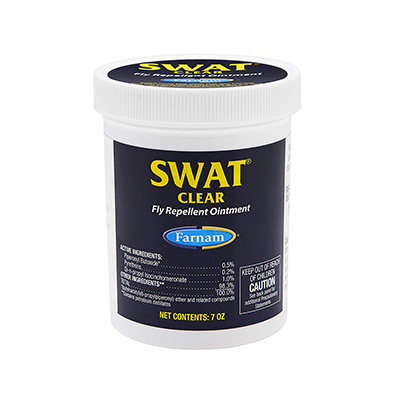
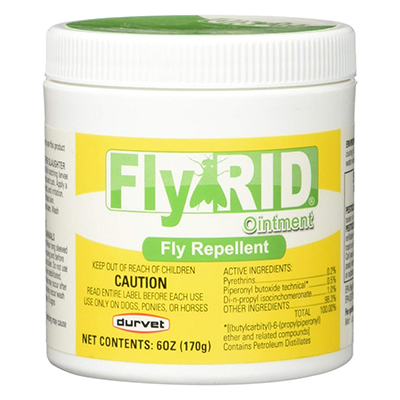
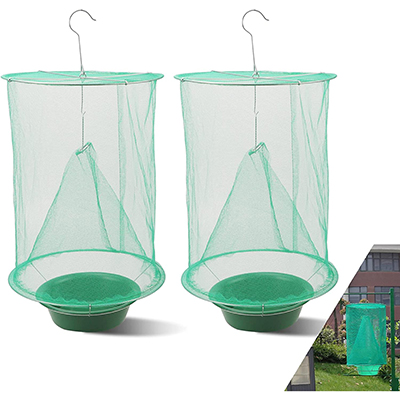
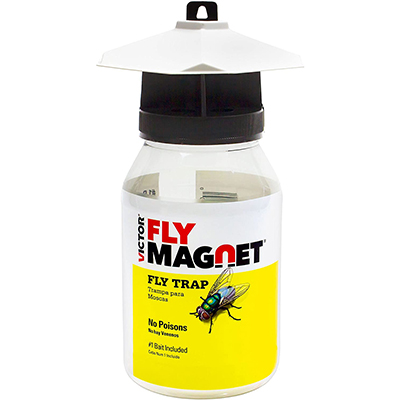
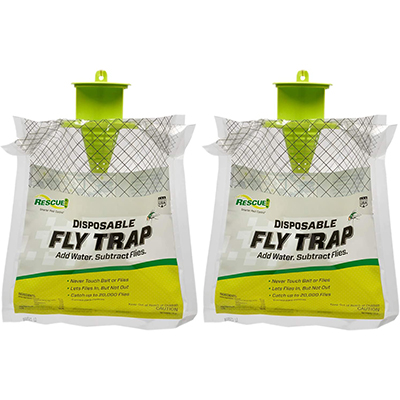
  • Maintain effective fly control measures
  • Perform daily health checks on all birds, especially those who are immobile
  • Keep the vent area clean and free of fecal buildup
  • Treat wounds promptly and appropriately

Scientific References

Risk Factors

  • Feces stuck to vent feathers (“pasty butt”)
  • High fly populations
  • Feather loss or exposed skin
  • Untreated wounds or skin tumors
  • Warm, humid climate
  • Chickens with beak deformities or injuries
  • Cornish breeds
  • Chickens with mobility issues
  • Ectoparasite infestations

Case Stories

Seasonality

WinterSpringSummerAutumn

Also Consider