Veterinary advice should be sought from your local veterinarian before applying any treatment or vaccine. Not sure who to use? Look up veterinarians who specialize in poultry using our directory listing. Find me a Vet

Arthritis

Arthritis is an orthopedic condition characterized by inflammation of the joints, leading to pain, joint damage, and reduced mobility. In birds, arthritis can result from infection, trauma, degenerative changes, or metabolic disorders. While osteoarthritis is the most common form in humans, birds are more commonly affected by articular gout, a form of arthritis linked to uric acid buildup.

There is no cure for arthritis in birds, so treatment focuses on supportive care to manage pain, slow joint damage, and maintain quality of life.

Management and Supportive Care


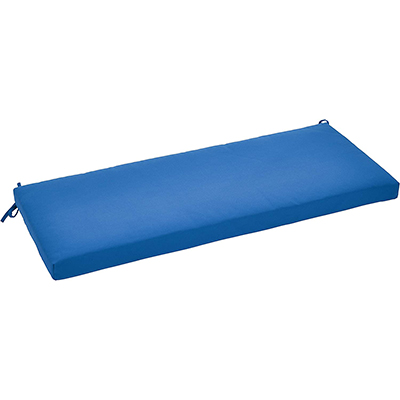
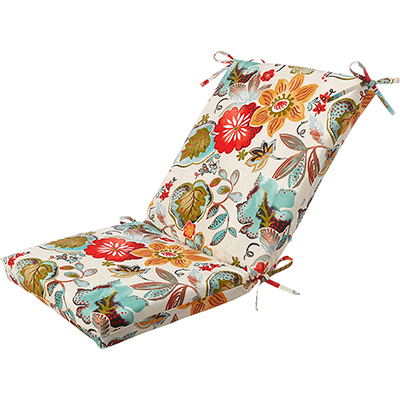
Environmental modifications are essential to reduce strain on affected joints and improve mobility. Food and water should be placed within easy reach. Because many birds with arthritis struggle to perch, providing soft, supportive resting areas in the coop and run is important. In some cases, coop modifications—or even replacement—may be needed to make access easier and safer.

Treatment Options


  • Non-steroidal anti-inflammatory drugs (NSAIDs): Medications such as carprofen or meloxicam are commonly used to manage pain and inflammation.
  • Gabapentin: May be used for additional pain control.
  • Acupuncture: Has shown benefit as a complementary therapy in some cases of severe arthritis.
  • Adequan (polysulfated glycosaminoglycan) injections: May help support joint health and function.
Overall, early recognition and consistent supportive care can make a significant difference in maintaining comfort and mobility in affected birds.

Clinical Signs

Lameness
Decreased movement
Stiffness
Reluctance to move
Weight loss
Reduced appetite
Not able to perch
Stumbling and falling
Kicks out leg(s) backwards

Diagnosis

  • History
  • Clinical signs
  • Radiographs

Reported Cases

  • Case 1: Arthritis in a Cockatoo A 39 year old female Sulphur-crested Cockatoo was presented to the Bird & Exotic Clinic for an annual health check to ascertain suitability for boarding. The patient was an indoor only solo bird on a diet of budgie seed with a teaspoon of parrot seed per day, as well as ad libitum vegetables (no starches and limited corn) with access to apple as a treat. No prior history of arthritis was recorded. Any bird entering the boarding facility is required to undergo testing for common contagious diseases and any further diagnostic processes which were deemed necessary by the attending veterinarian to treat conditions that may interfere with the patient’s welfare during their stay. During examination the patient was noted to perch with a hunched low seated posture through the lower back. Physical examination revealed marked pronation of the right hock due to angulation from the stifle with subsequent compensatory supination of the right foot. The left leg was favoured for weight bearing and showed mild hyperkeratosis of the central tarsal pad. Further examination showed a significant reduction in range of motion of the carpi bilaterally by more than 50% and a moderate reduction in range of motion of the elbows bilaterally. The overall condition of the patient was above average with a body condition score of 3.5/5 (BCS). Faecal direct microscopy and with gram staining were negative respectively. Chlamydia ELISA and PCV/BC/TPP were negative and within normal limits respectively. The patient’s weight was 656g. Radiography showed both femurs to have an irregular circumferential size throughout the entirety of the bones length. The right femur had significant irregular periosteal bone proliferation distally while the left femur had reduced cranial-caudal diameter distally prior to the epicondyles. Bilateral osteophytes caudal to the patellar ligament insertion of the joint capsule were present with mild ossification of the patellar ligaments themselves. The elbow and carpal joints were normal and previous barrel chesting and microhepatica were noted. Due to radiographic and physical examination findings a diagnosis of osteoarthritis of the stifles and tendon contracture of the carpi and elbows was made. A treatment trial of nonsteroidal anti-inflammatory (NSAID) pain relief and passive physiotherapy was warranted. Biochemistry was performed prior to commencement due to possible effects of NSAIDs on the avian kidneys. This is extrapolated from feline studies of long term use which was associated renal failure and death(Sparkes et al., 2000). Non-fasting serum biochemistry showed only a moderate hypercholesterolaemia of 14.2 mmol/L (reference inter-val 3.5-7.4 mmol/L).Initial treatment trial consisted of a course of oral Meloxicam™ (Ilium, Australia) at 0.2mg/kg by mouth twice a day for five days and then 0.2mg/kg by mouth once per day for a further five days. The client was instructed to increase daily exercise in the form of encouraged play, and attempt slow bicycling of the legs if able. During the treatment trial a significant increase in willingness to exercise, unprovoked movement in the cage and general mood were noted by the owner. These improvements were lost following cessation of meloxicam treatment. With the positive response and significance of skeletal changes on radiography an ongoing dose of Ilium Meloxicam™ 0.2mg/kg by mouth once per day ongoing was recommended. Small plain biscuit pieces were used to absorb the allocated meloxicam dose and encourage ingestion. This spares the client - bird bond. Further changes included wrapping the main preferred sleeping perch in soft spongy bandaging material (Vet-wrap™); varying perch diameters (natural barked wood); encouraging foraging throughout the cage as opposed to one bowl.(Lierz et al., 2012); increased exercise outside of the cage; and continued low calorie diet with the only treat food offered being that with medication. Ref

  • Case 2: Septic arthritis and Osteomyelitis in a Swan and Gull A 20-year-old female mute swan originally in a flock of free-living swans on a Long Island, New York, lake, was presented for facial swelling and decreased appetite. An adult male ring-billed gull was also presented to the same wildlife rescue center for bilateral lameness of 1-week duration. Once referred for veterinary evaluation and care, both species were diagnosed with septic arthritis and osteomyelitis caused by Chryseobacterium indologenes and treated with orbifloxacin until complete recovery. Chryseobacterium indologenes is infrequently diagnosed as an opportunistic pathogen in human medicine, and less so in veterinary medicine. In human patients, this bacterium is the cause of various infections, including meningitis, pneumonia, and implant failure. Ref

Treatment

NameSummary
Management and Supportive careEnvironmental modifications.
Non-steroidal anti-inflammatory drugs (NSAIDs)Carprofen or Meloxicam B Speer; D. McGeown et al 1999
GabapentinD. Sanchez- Migallon Guzman et al 2023
AcupunctureHas shown benefit as a complementary therapy in some cases of severe arthritis.K Choi et al., 2016
Adequan (Polysulfated glycosaminoglycan) injectionsA Wonn et al 2021; A Wonn et al 2022; K Perrin et al 2023

Support

Prevention

  • Provide a soft substrate that provides cushion when birds are jumping down from perches.
  • Keep perches low for heavier chicken breeds

Prognosis

Poor

Scientific References

Age Range

older chickens are more at risk

Risk Factors

  • Larger breeds
  • Increased age
  • Previous injury
  • Perches are too high
  • Hard surface to land on when birds jump down from perches.